Uploaded By-Allred Gustafsson
Thanks to developments in medical technology, achieving perfect vision has turned far attainable like never before. One of the top revolutionary techniques in the last few years is SMILE eye surgery. This non-invasive technique is created to address frequent eye issues, particularly nearsightedness, presenting a potential remedy for millions of people who depend on spectacles or contacts. As you investigate the options of SMILE laser eye surgery, you may find yourself about its benefits, pricing, and how it contrasts with other vision correction methods.
In this piece, we will explore what SMILE eye surgery means, how it functions, and the healing process involved. We will also examine the perks of the SMILE procedure for short-sightedness and provide a detailed evaluation of SMILE versus PRK, a different popular eye surgery. With details on complications and overall effectiveness, this extensive manual aims to provide you with a clearer grasp of SMILE eye surgery, putting you one step nearer to unlocking flawless eyesight.
What SMILE Eye Procedure?
SMILE is a groundbreaking optical vision medical procedure aimed to address myopia and vision distortions. Unlike conventional laser vision techniques, SMILE employs a minimally invasive procedure. It involves creating a minimal cut in the outer layer of the eye to extract a disc-shaped tissue, which alters the eye's surface to boost visual clarity. This method offers precision and convenience, making it an attractive choice for many patients looking to enhance their eyesight.
The surgery commences with the use of a targeted device, which forms the lenticule within the eye tissue. After the disc is formed, a minimal cut is made through which the doctor meticulously takes out the lenticule, thus altering the shape of the cornea. This distinctive technique allows for a more comfortable procedure when contrasted with alternative surgeries, where larger cuts are usually required. The complete process typically lasts about 30 minutes long, with many people experiencing immediate gains in their eyesight.
A significant points of this procedure is that it commonly produces fewer issues and quicker rehabilitation durations than other procedures like Lasik or Photorefractive Keratectomy. Patients report lower pain levels and inconvenience and can resume their usual tasks in a few days post-surgery. Thus, SMILE has become popular among individuals who want successful sight improvement with minimal downtime.
Benefits and Recovery
SMILE Eye Surgery offers various advantages that make it an appealing choice for people seeking vision correction. One of the primary benefits is the low invasiveness of the procedure. Unlike standard LASIK, which requires a corneal flap to be created, SMILE utilizes a minimal incision to remove tissue from within the cornea. This approach not only reduces the risk of complications but also fosters faster healing and reduced postoperative discomfort. read article report improved vision within a day or two, allowing them to quickly return to their daily activities.
A further advantage of SMILE is its effectiveness for treating short-sightedness, also known as myopia. The SMILE procedure specifically focuses on the underlying causes of myopia by removing a minute lenticule from the corneal stroma, reshaping the cornea for improved clarity. Many patients experience a great degree of satisfaction and freedom from glasses or contact lenses after the surgery. Additionally, the precision of the SMILE technique leads to a predictable outcome, making it a trustworthy option for those with medium to high myopia.
Recovery from SMILE Eye Surgery is typically swift and simple. Most patients can resume normal activities within a limited time, often returning to work or school within a couple of days. The majority experience low pain, and follow-up appointments ensure that healing is advancing as expected. It is crucial for patients to follow the aftercare instructions provided by their surgeon, which may include avoiding strenuous activities and using prescribed eye drops. Overall, the recovery process is structured to be easy, contributing to the overall positive experience patients have with the SMILE procedure.
Cost of SMILE Eye Surgery
The price of SMILE procedure can change significantly based on multiple aspects, like the surgeon's experience, the equipment utilized, and the geographical location of the practice. On average basis, patients can expect to pay from 3,000 to 5,000 bucks for every eye treatment. While this investment may seem considerable, it is noteworthy that many consider it a sustainable solution to sight rehabilitation, possibly reducing ongoing expenses related to lenses or contacts.
Insurance coverage for SMILE laser eye surgery is typically restricted, as many policies identify it an non-essential procedure. However, some patients may learn that their insurance includes a part of the fees, particularly if surgical treatment is deemed required due to severe refractive problems. It's wise for individuals to inquire with their insurance provider and go over payment options with their selected clinic to more clearly understand the financial considerations.
In addition, many clinics have financing programs to assist make the surgery more attainable. These plans allow patients to divide the cost over a period, rendering it possible for more individuals to secure the optical correction they desire. Get More is essential for prospective patients to thoroughly research different providers and their charges models to make sure they are choosing an aware selection that matches their financial situation and fulfills their sight needs.
PRK vs. SMILE Comparison
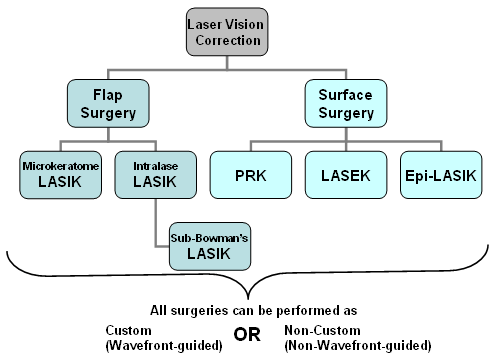
In the realm of options for laser eye surgery, many patients commonly evaluate the methods of SMILE and PRK. These techniques are designed to resolving vision problems, but they employ distinct techniques. The SMILE method, or Small Incision Lenticule Extraction, entails creating a small cut to extract a tiny lens from the eye's cornea, whereas the PRK procedure, or Photorefractive Keratectomy (PRK), alters the corneal surface by eliminating the outer layer of cells before applying the laser. This key distinction greatly affects recovery duration and potential benefits for those undergoing the procedures.
In terms of recovery, SMILE usually offers a faster healing timeframe with minimal discomfort after surgery compared to the PRK method. Patients undergoing SMILE can often return to daily activities within a couple of days, while PRK can require several days to weeks for complete recovery for complete visual restoration due to the healing of the surface of the cornea. Moreover, SMILE lowers the risk of complications such as hazy vision, which is frequently seen with PRK due to the elimination of the top layer of cells.
The price can also be factor in the decision for numerous people. Though SMILE could show a more expensive initial cost due to its innovative technique and procedure, it is crucial for patients to weigh the benefits of quicker healing and less discomfort against the monetary factors. Ultimately, the selection between the SMILE technique and PRK will depend on the preferences of the patient, unique vision correction requirements, and consultations with certified eye specialists.